

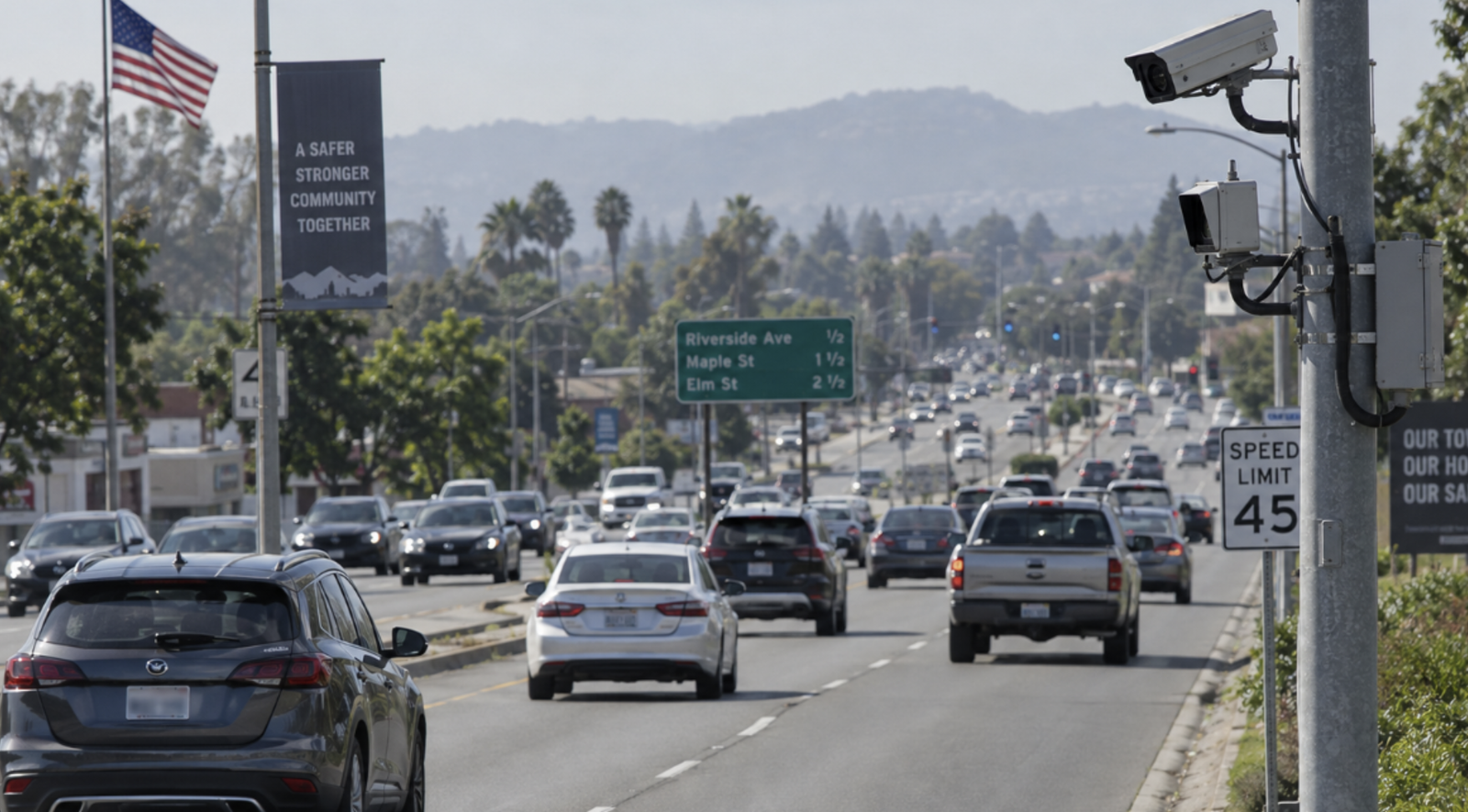
A product can work exactly as intended and still struggle in the market. That is the challenge facing AI surveillance companies such as Flock Safety. The company operates around 120,000 AI-powered license-plate cameras across the United States, using roadside devices to identify and monitor passing vehicles. Law-enforcement agencies argue that the technology helps solve crimes, locate stolen cars and improve public safety. But public acceptance is becoming a much bigger issue. A recent Reuters/Ipsos poll found that only 21% of Americans ages 18 to 34 support the use of Flock’s technology in their communities, making younger adults the least supportive age group.
That matters because businesses often assume a product’s usefulness will eventually win the argument. In reality, customers do not judge technology only by whether it works. They also judge how it feels, how it fits with their values and whether they trust the people using it. AI surveillance may help police identify suspects more quickly, but that does not automatically mean communities are comfortable living under constant monitoring. A tool can be effective and still create a sense that the cost to privacy is too high.
Flock’s situation shows how this tension is becoming political as well as commercial. Florida highway officials recently banned local police from placing. New cameras on state highways, and Texas paused funding for the technology. Several other states are also reconsidering how these systems should be used. In other words, the resistance is not only coming from civil-liberties advocates. It is starting to appear in policy decisions that can directly affect where and how the product is, allowed to expand.
The generational split is especially important. Older Americans and Republicans were the strongest supporters of the technology in the Reuters/Ipsos poll, while younger adults were far more skeptical. That suggests the long-term growth challenge may not be technical at all. If the demographic group that will shape future public opinion is uncomfortable with AI surveillance, companies in this space may face increasing difficulty scaling their products, even if law-enforcement customers find them valuable.
This creates a business lesson that reaches far beyond surveillance. Many technologies fail not because they are ineffective, but because the public decides they are intrusive, unsettling or misaligned with social expectations. Facial recognition has faced similar pushback. So have data-tracking tools, social-media algorithms and other products that work powerfully in theory but create discomfort in practice. The strongest product is not always the one with the best technical performance. Sometimes it is the one people are most willing to tolerate.
That is why trust becomes part of the product. Companies like Flock are not simply selling cameras and software. They are also selling a story about legitimacy, safety and responsible use. Customers, regulators and communities want to know who controls the data, how long it is stored, who can access it and whether the system can be abused. If those questions are not answered convincingly, the technology may start to look less like a public-safety tool and more like infrastructure for mass surveillance.
There is also a broader shift happening in AI. As the technology moves from screens into the physical world, social permission becomes more important. People may tolerate AI recommending a movie or helping write an email. They may feel very differently about AI tracking where they drive, monitoring public spaces or helping make decisions about policing. The closer AI gets to daily life, the more important public comfort becomes. Technical capability alone is not enough.
Flock Safety’s challenge is therefore not simply a surveillance debate. It is a reminder that technology adoption depends on what customers and communities are willing to accept, not merely what engineers can build. A product can work, generate results and still face a ceiling if too many people feel it crosses a line. In business, social acceptance is often treated like a secondary issue. But sometimes it becomes the most important one of all.
